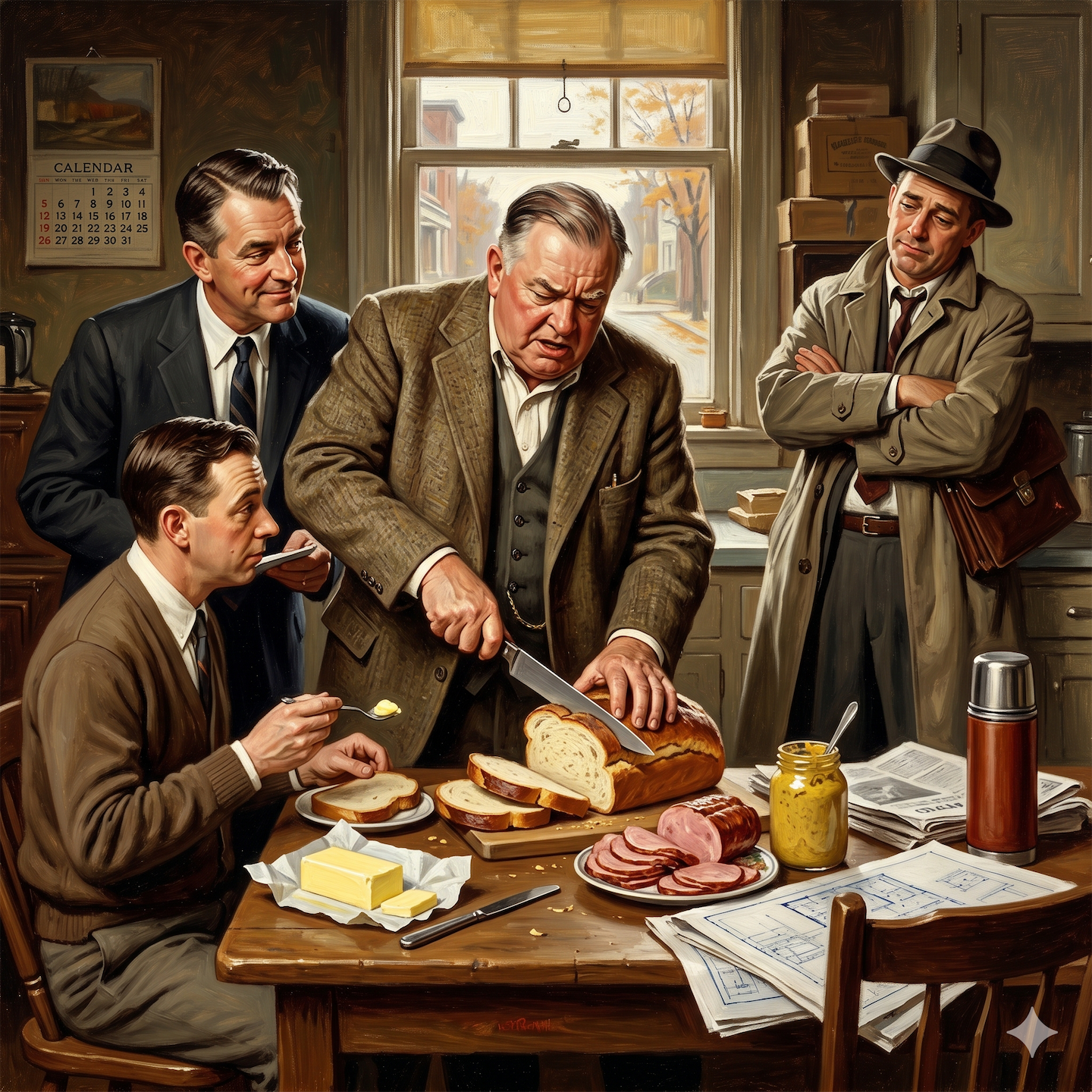
« But what do they do at headquarters? »

How many times have you heard that question, half-perplexed, half-exasperated, from a business unit director returning from a corporate meeting? The question is an old one, but it remains remarkably relevant. At a time when every field manager has a real-time dashboard and collaborative tools allow headquarters to meddle everywhere, the temptation to centralize has never been stronger — nor more dangerous.
Four Models, One Core Issue
Since the 2000s, we typically distinguish four ways a corporate entity can behave towards its units:
The portfolio manager acts as a sophisticated investor. It arbitrates, buys, sells, and measures performance in terms of return on invested capital. Its dialogue with the units? Primarily financial. Its operational involvement? Almost non-existent. This model, once the hallmark of large conglomerates, is now disappearing — as markets no longer value diversification for its own sake.
The strategic pilot — an evolution of the traditional "strategic architect" — no longer merely validates strategies: it co-constructs the trajectory with its units, instills a vision, and allocates resources in line with the group's ambitions. This is the rising model, provided the pilot knows how to set the direction without constantly wanting to hold the reins.
The operational controller goes further: it sets management principles, monitors action plans, and engages with units on both financial and operational indicators. Effective in groups with integrated activities or high synergies, it requires rare collective discipline.
Theoperator, finally, centralizes most things. The units execute. This model, relevant for a highly integrated single-activity group, quickly becomes stifling — and value-destroying — as complexity increases.
The temptation to "see and control everything"
The real change over the past twenty years isn't in the models themselves — they remain relevant — but in the conditions under which they are applied. Three major developments warrant attention.
First, data is everywhere. Head office teams now have real-time access to all operational, financial, and commercial information from the units. The temptation to intervene directly is immense. The risk: subtly shifting from a strategic steering model to a disguised operator — without anyone having truly decided to do so.
Next, talent management has become centralized. The war for attracting and retaining high-potential individuals pushes the head office to intervene more and more directly in careers, compensation, and working conditions. Here again, the line between legitimate impetus and counterproductive interference is thin.
Finally, synergies cannot be decreed. The corporate center can create the conditions for them to emerge — communities of practice, cross-functional mobility, common projects — but if it organizes them in detail itself, it produces cross-functional bureaucracy, not shared value.
The Corporate as a Surfactant: Agitator, Not Manager
The winning model for today's large groups and mid-sized companies is often a hybrid between a strategic pilot and a new-generation operational controller — or, to use a more evocative image, a 'surfactant corporate'. Like a chemical surfactant that creates bonds between molecules that don't spontaneously mix, the effective head office knows how to energize, stimulate synergies, and challenge units — without resorting to over-management.
This type of corporate center doesn't answer the question "What do they do at headquarters?" with a list of processes and committees. It answers with results that the units alone would not have achieved.